Athletic Probabilities Intersect with Mechanical Patterns in Handheld Betting Platforms
Olivia Berger · Jul 31, 2026

Athletic Probabilities Intersect with Mechanical Patterns in Handheld Betting Platforms
Platform developers have integrated real-time athletic market data with mechanical outcome generators in handheld systems, and this convergence has prompted adjustments in user decision frameworks across multiple regions during July 2026. Operators report that algorithms now pull probability streams from football fixtures and basketball spreads then feed those metrics into slot volatility calculators, which creates layered wagering sequences that users access through single applications.
Market Data Integration in Mobile Environments
Analysts at state regulatory bodies track how sports event probabilities influence reel alignment frequencies, and data from the Nevada Gaming Control Board shows mobile sessions incorporating both elements rose 14 percent year over year through the first half of 2026. Users observe that live odds movements can trigger adjusted payout tables in linked slot modules, whereas historical reel distributions sometimes inform stake sizing on upcoming athletic contests within the same interface.
Developers apply these linkages through API connections that update every few seconds, and the resulting dashboards display athletic line movements next to volatility indicators so that participants adjust their approach without switching applications. Research from the University of Nevada, Las Vegas gaming laboratory indicates that such unified displays alter session duration patterns, with average play times extending when cross-referenced data points appear simultaneously.
Strategic Adjustments Observed Across User Groups
Observers note that experienced participants now sequence their actions by monitoring athletic market shifts first, then applying those insights to mechanical selections that share similar probability bands. In one documented case, a cohort of users in Singapore increased parlay-style combinations that blended live football results with subsequent slot spin outcomes after platform updates rolled out in early July 2026. These patterns emerged because the systems surface correlated risk profiles that allow participants to chain decisions across categories without separate logins.
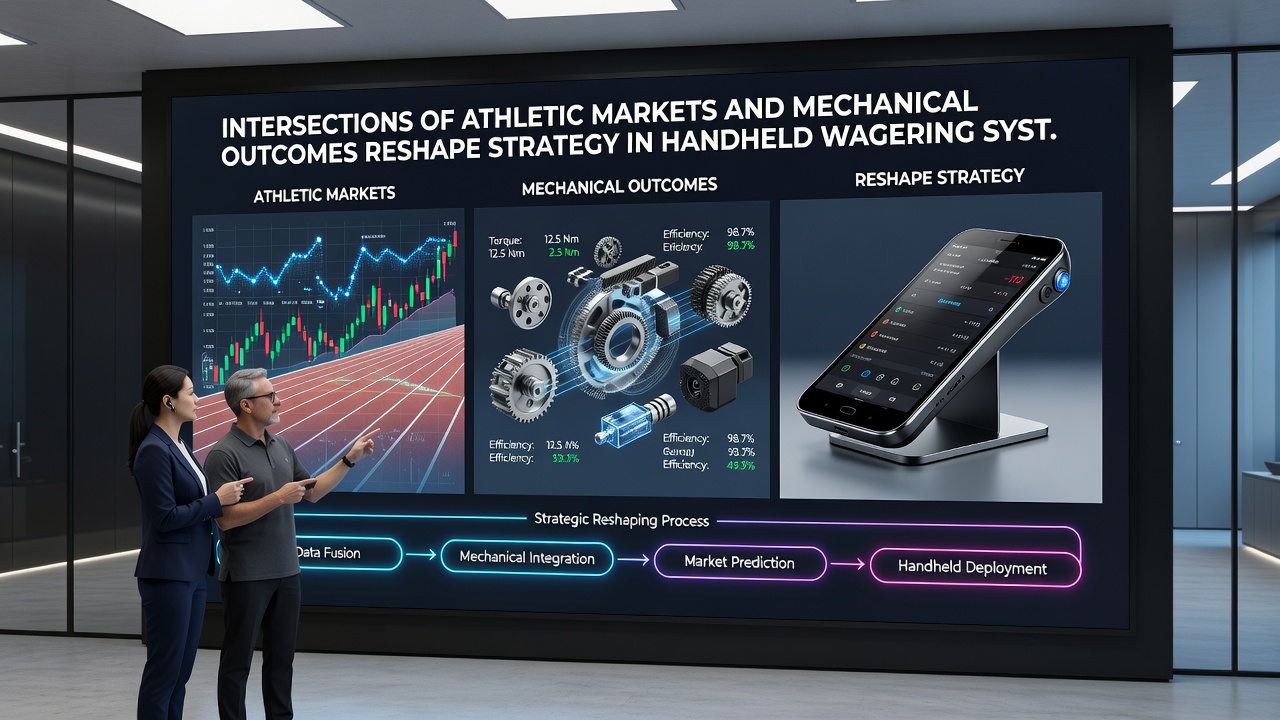
Platform metrics collected during the same period reveal that users who engage both market types within single sessions demonstrate different deposit behaviors compared with those who remain in one vertical. Figures from industry tracking services indicate higher average transaction values when athletic data streams directly inform mechanical selections, and operators have responded by refining notification systems that highlight these intersections.
Regional Variations in Implementation
Regulatory frameworks in North America and parts of Asia have shaped how these intersections appear on handheld devices, with licensing requirements in Illinois mandating clear separation between sports and mechanical modules even as backend data sharing continues. In contrast, operators licensed under the Macau Gaming Inspection and Coordination Bureau have tested tighter integrations that display athletic probabilities as modifiers on reel outcomes, and preliminary reports from July 2026 sessions show measurable shifts in user selection sequences.
Those who study these systems point to API latency reductions and improved data synchronization as key enablers, since delays previously disrupted the flow between market updates and mechanical adjustments. Current implementations now maintain sub-second refresh rates that keep both data streams aligned throughout extended sessions.
Conclusion
Handheld wagering platforms continue to evolve through the linkage of athletic market information and mechanical outcome systems, and evidence from regulatory filings and laboratory studies documents resulting changes in how participants structure their activity. As synchronization improves and regional rules adapt, the documented patterns suggest further refinements in cross-category decision tools will appear in subsequent platform releases.