Mapping Reward Incentives to Multi-Game Loyalty in Consolidated Mobile Platforms
Olivia Berger · Aug 14, 2026
Mapping Reward Incentives to Multi-Game Loyalty in Consolidated Mobile Platforms
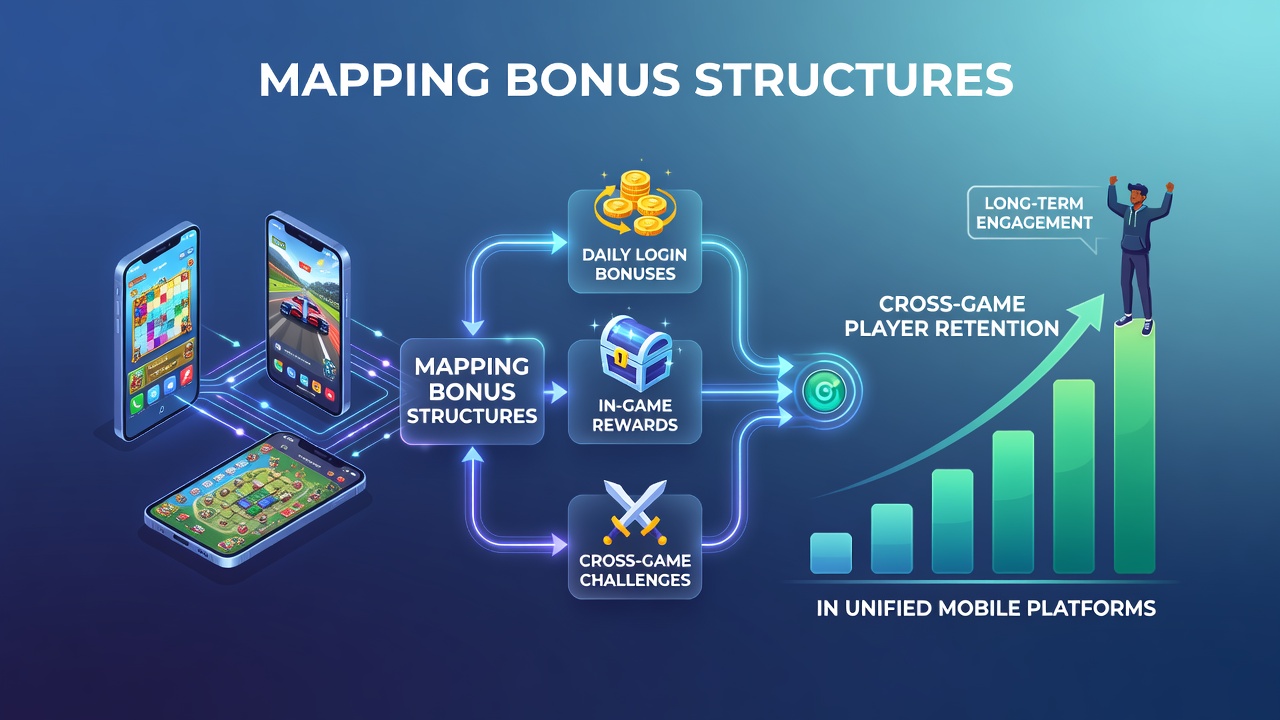
Unified mobile platforms integrate slots, table games, and sports wagering into single applications, and operators now focus on bonus structures that encourage movement between these categories rather than isolated play sessions. Data from industry reports indicate that retention rates rise when reward triggers align across game types, creating pathways that keep users engaged over extended periods. In August 2026 several platforms reported measurable shifts in daily active users after implementing such cross-category incentives.
Core Components of Bonus Architectures
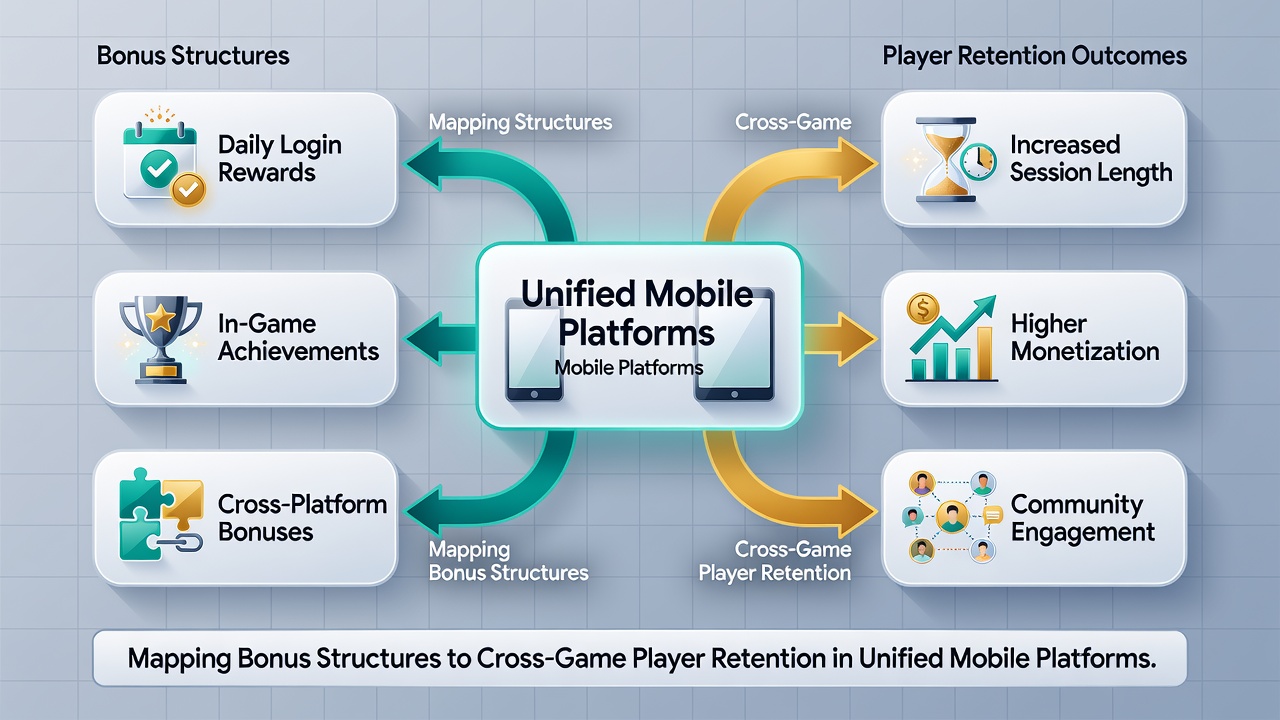
Bonus systems typically include deposit matches, free spins, cashback offers, and loyalty points, yet the mapping process assigns these rewards specific values based on expected player behavior across multiple titles. Researchers at academic institutions have tracked how a slot-based free spin bonus can convert into table game credits when certain conditions appear, and this conversion mechanic increases session length according to aggregated platform analytics. Observers note that clear progression rules prevent confusion, allowing players to understand how actions in one game influence options in another.
Techniques for Linking Bonuses Across Games
Operators apply decision trees and probability models to determine when a reward earned in sports betting should unlock slot features or table game entries. One common approach assigns multipliers to loyalty points collected from live event wagers, then routes those multipliers toward reel-based outcomes during peak hours. Studies conducted by research groups in Canada and Australia show that platforms using these linkages experience steadier retention curves through the middle of the week, when traditional single-game promotions often lose momentum. Data indicates that seamless transitions between categories reduce drop-off rates, because players encounter familiar reward language no matter which module they enter next.
Another technique involves volatility alignment, where bonus triggers adjust automatically to match the risk profile of the destination game. A low-volatility slot streak might feed into a high-volatility poker tournament entry, and the platform adjusts payout frequency to maintain perceived fairness. Figures from regulatory filings in Singapore and the Netherlands reveal gradual adoption of these adaptive systems throughout 2025 and into mid-2026, with several operators publishing quarterly updates on cross-game participation metrics.
Retention Outcomes and Platform Data
Retention metrics improve when bonus mapping incorporates time-based triggers that reward consistent cross-game activity. Platforms that activate loyalty boosts after a player completes a sports wager followed by a table game round report higher seven-day return rates than those relying on single-category offers alone. Evidence from industry associations in Europe and North America suggests that unified tracking systems allow operators to identify patterns early, then refine bonus values before retention declines become pronounced. Those who manage these systems often cite reduced marketing spend per retained user, because existing players respond to internal incentives instead of external acquisition campaigns.
Take one operator that introduced chained rewards in its mobile application during the first half of 2026. The structure granted escalating table game credits after successive slot sessions, and subsequent data showed a measurable lift in average revenue per user across both categories. Similar adjustments appear in reports from multiple jurisdictions, confirming that structured mapping produces consistent behavioral shifts rather than isolated spikes.
Implementation Considerations in August 2026
August 2026 brought increased attention to mobile platform updates that embed bonus mapping directly into user interfaces. Developers integrated progress bars that display how current activity contributes to future rewards in other games, reducing the cognitive load for players navigating multiple modules. Regulatory bodies in various regions require transparent disclosure of these mechanics, and operators respond by publishing clear terms that explain conversion rates and eligibility windows. This transparency supports sustained engagement because users can plan their activity sequences without hidden restrictions.
Technical infrastructure plays a central role, with real-time data pipelines feeding player profiles into centralized bonus engines. These engines calculate eligibility across game types within milliseconds, enabling instant reward delivery that maintains session flow. Observers from trade organizations note that platforms investing in such infrastructure during earlier quarters now see compounding retention benefits as user bases expand.
Conclusion
Bonus structure mapping in unified mobile platforms connects individual game mechanics into broader retention frameworks. Data from multiple regions continue to document how aligned incentives influence player continuity, while technical and regulatory developments shape the pace of adoption. As platforms refine these systems, the focus remains on measurable outcomes that link reward design directly to sustained cross-game participation.