Regulatory Transformations in Southeast Asia Redefine Integrated Gaming Reward Architectures
Cameron Lange · May 29, 2026
Regulatory Transformations in Southeast Asia Redefine Integrated Gaming Reward Architectures
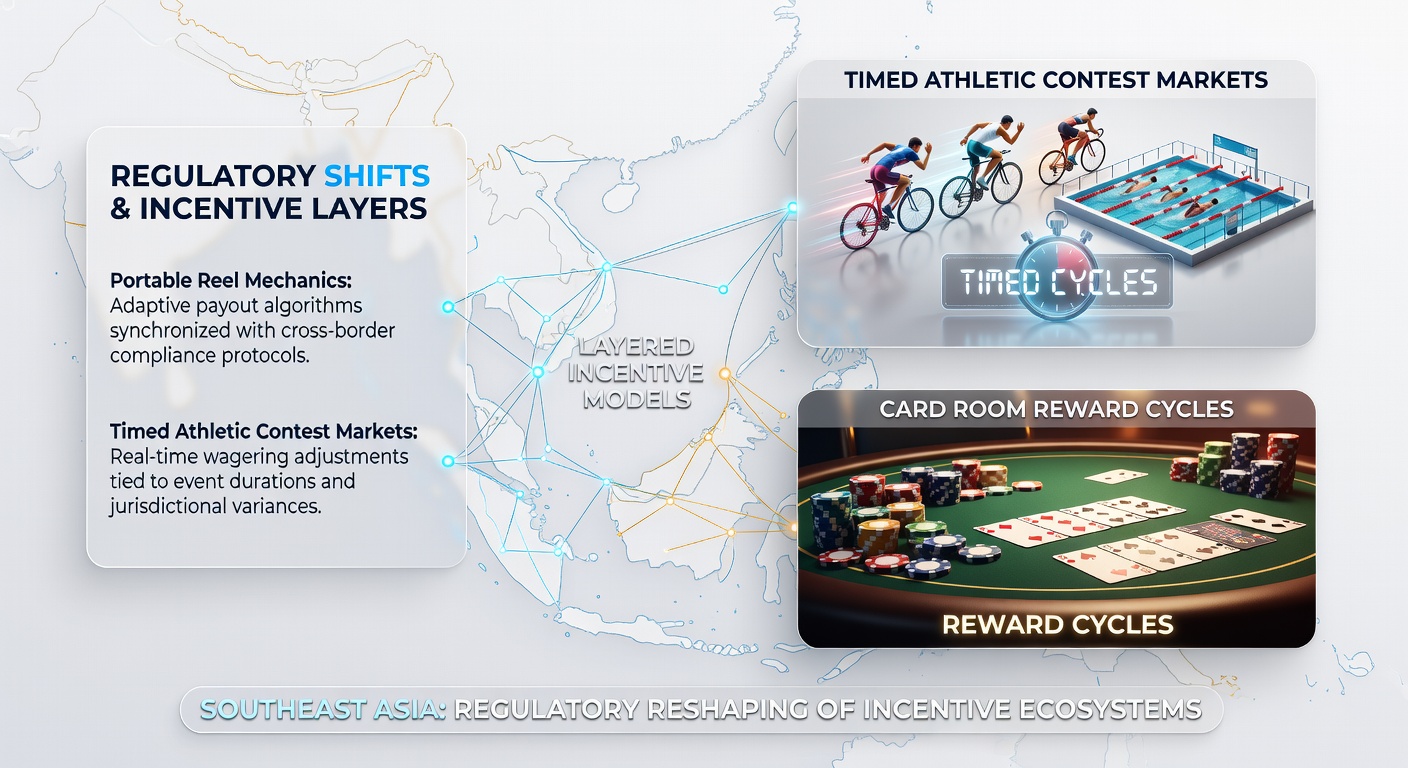
Regulatory adjustments across multiple Southeast Asian jurisdictions have begun altering how operators structure layered incentive programs that connect mobile slot mechanics with live sports event markets and poker room reward sequences, and data from licensing bodies shows these shifts taking effect in early 2026.
Authorities in Singapore, the Philippines, and Malaysia implemented updated compliance standards during the first quarter that require clearer separation between promotional offers tied to reel-based games and those linked to timed athletic contests, while card room operators must now document reward cycles separately to meet new audit protocols.
Policy Updates Across Key Markets
Singapore's framework revisions, effective from March 2026, direct licensed platforms to recalibrate bonus allocation systems so that portable reel progressions cannot automatically trigger athletic contest market credits without explicit player consent, and similar measures in Manila require operators to maintain distinct tracking logs for poker tournament entries derived from sports wager activity.
Research from regional gaming associations indicates these changes address concerns over cross-product incentive bundling, with figures from the first four months of 2026 revealing a 12 percent reduction in combined promotion claims compared to the prior year period.
Impact on Mobile Reel and Sports Integration
Operators have responded by redesigning mobile applications to present slot sessions, live football or basketball odds, and table game rewards through modular interfaces rather than unified progression paths, and this approach allows compliance teams to isolate each vertical during regulatory reviews.
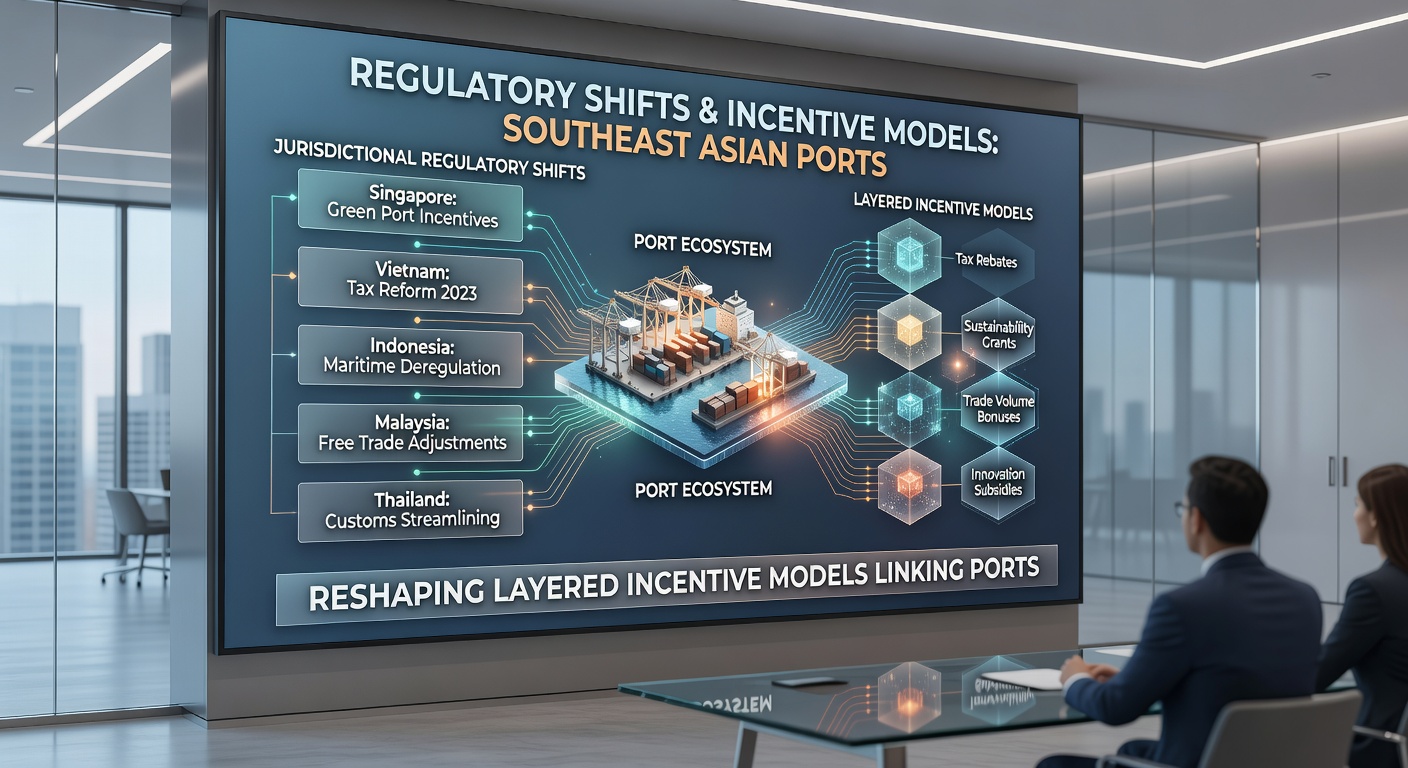
One documented case involves a major platform in Vietnam that separated its reel streak bonuses from in-play contest multipliers after May 2026 guidance clarified disclosure requirements, resulting in independent reward ledgers that feed into card room loyalty points only through verified player selections.
Adjustments in Card Room Reward Structures
Card room operators across the region now align poker pot contributions and tournament entries with standalone reward cycles that no longer receive automatic inflows from sports or slot activity, and licensing reports from the Philippine Amusement and Gaming Corporation note that such separations help maintain clear player fund segregation.
According to industry monitoring data released in April 2026, platforms that adopted segmented tracking earlier recorded higher audit pass rates, while those still transitioning experienced temporary delays in promotional approvals.
Broader Market Responses Through Mid-2026
Analysts tracking these developments observe that the regulatory emphasis on distinct incentive layers has prompted technology providers to release updated API tools capable of handling independent reward streams for reel mechanics, athletic contest markets, and card room sequences, and deployment of these tools accelerated in markets like Cambodia and Laos during the spring months.
External studies, including a joint report by the Monetary Authority of Singapore and regional partners, highlight how compliance investments in 2026 have focused on real-time monitoring systems that flag potential overlaps between product categories before rewards activate.
Future Compliance Considerations
Observers note that upcoming licensing renewals scheduled for the third quarter of 2026 will likely require additional documentation on how portable gaming interfaces prevent unintended linkages between timed sports markets and poker cycles, and jurisdictions continue to exchange best practices through informal working groups.
Evidence from operator filings shows gradual adoption of these practices, with early adopters reporting smoother integration of new verification steps into existing mobile platforms.
Conclusion
Regulatory shifts in Southeast Asia continue to influence how layered incentive models operate across mobile reel mechanics, athletic contest markets, and card room rewards, and ongoing adjustments through mid-2026 reflect coordinated efforts by licensing authorities to maintain distinct operational boundaries while preserving platform functionality.