Shifting Bonus Architectures in Portable Casinos as Table Games and Sports Betting Converge
Sam Perry · May 27, 2026
Shifting Bonus Architectures in Portable Casinos as Table Games and Sports Betting Converge
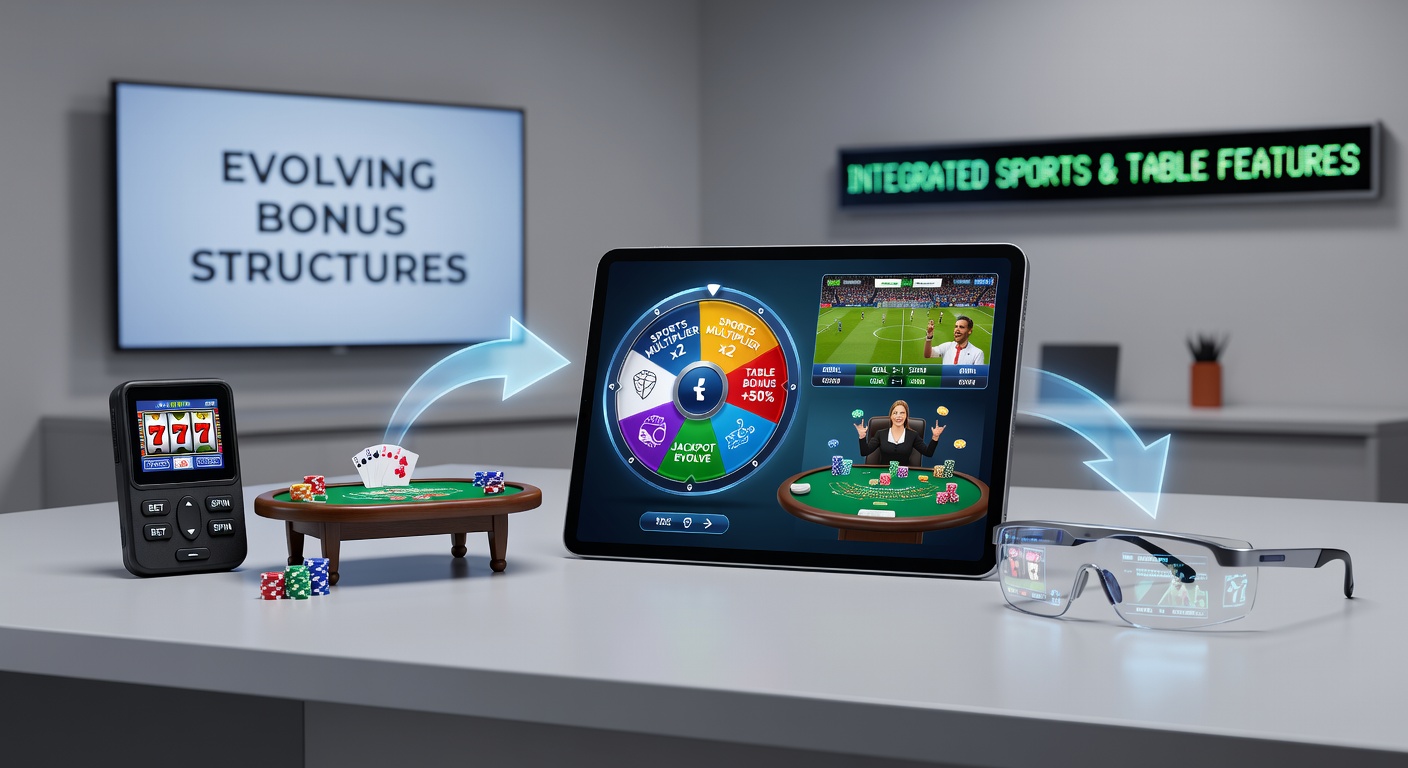
Handheld casino platforms continue to merge table game mechanics with sports wagering modules, and this convergence drives measurable changes in how operators structure player rewards. Data from industry monitoring services shows bonus systems now incorporate cross-feature multipliers that activate when users alternate between blackjack sessions and in-play football markets within the same app session. Regulatory filings submitted to the Nevada Gaming Control Board in early 2026 document several operators adjusting reward tiers to account for combined play volume rather than isolated game categories.
These adjustments reflect broader platform updates rolled out between March and May 2026. Developers integrated unified wallets that track table game outcomes and sports bet results simultaneously, allowing bonus progress bars to advance based on aggregate activity. One platform reported a 23 percent increase in daily active users after introducing streak-based rewards that span poker hands and live tennis odds.
Technical Integration Driving Reward Model Changes
Engineers at multiple software providers updated application programming interfaces during the first quarter of 2026 to pull real-time data from both table game servers and sports odds feeds. This technical linkage enables bonus triggers that respond to combined metrics such as total hands played plus successful parlay legs completed. Observers note that reward algorithms now assign points according to volatility patterns shared across slot-adjacent table variants and live sports events rather than treating each category separately.
Operators in regulated markets have filed updated compliance documentation showing these new calculation methods. The changes reduce duplication of bonus offers while increasing the frequency of smaller incremental rewards that accumulate across feature sets. Figures released by the American Gaming Association indicate mobile platforms adopting integrated tracking saw average session duration rise by 14 minutes compared with non-integrated applications during the same period.
Regional Regulatory Responses in Mid-2026
Authorities in New Jersey and several Australian states reviewed updated bonus protocols submitted by handheld operators in April and May 2026. These reviews focused on ensuring transparency in how points earned from table games convert into sports bet credits and vice versa. Documentation from the New Jersey Division of Gaming Enforcement highlights requirements for clear disclosure of conversion rates within app interfaces.
European operators under the Malta Gaming Authority submitted similar filings that detail audit trails for cross-feature bonuses. The filings emphasize audit logs that record every instance when a table game result influences a sports-related reward threshold. Such documentation helps maintain compliance across jurisdictions with differing rules on promotional mechanics.
Player Behavior Patterns Observed in Recent Data
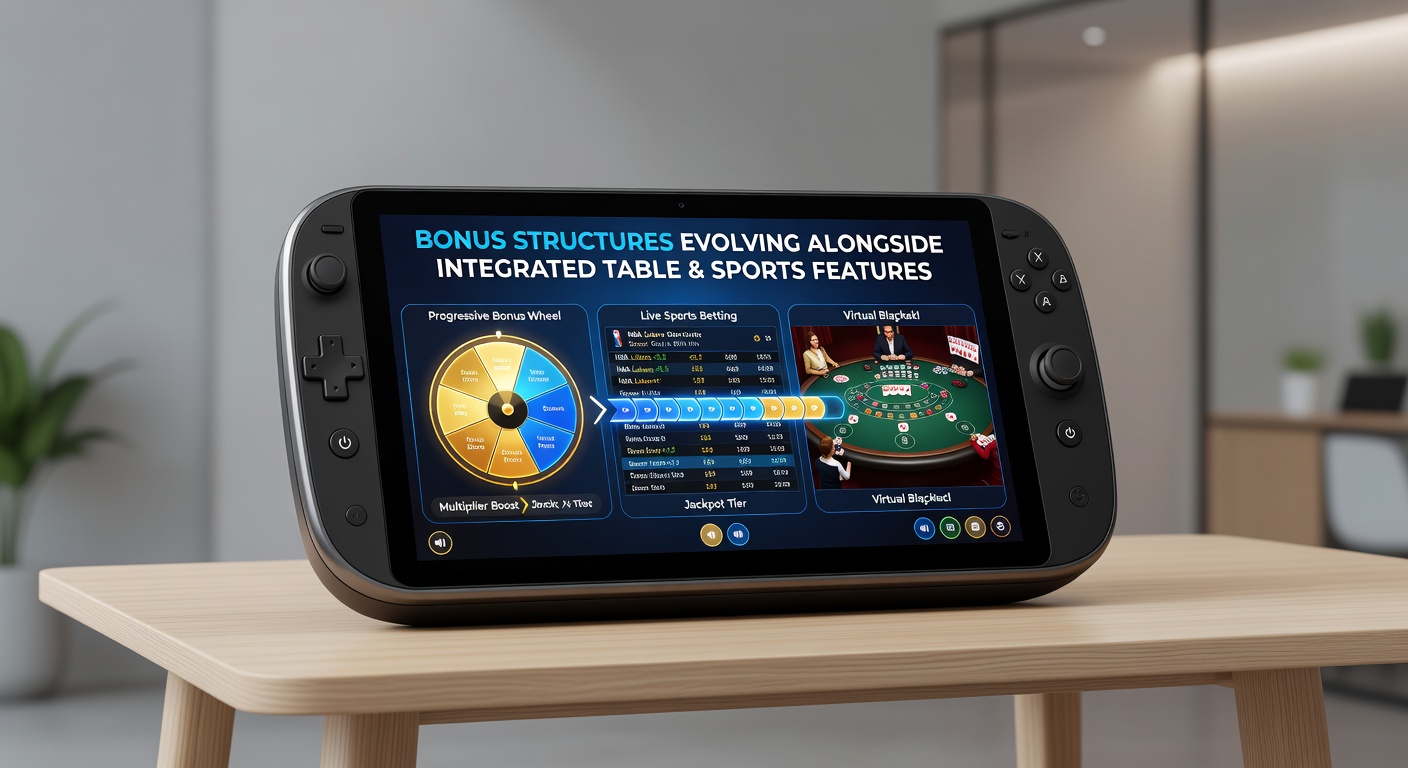
Analytics reports compiled by platform providers reveal distinct usage sequences that influence bonus design. Users frequently begin with short table game rounds before shifting to live sports markets during major events. Bonus structures have adapted by offering immediate micro-rewards for completing initial table sessions that then unlock enhanced odds or stake multipliers for subsequent sports wagers. Research published by the University of Nevada, Reno gaming laboratory documented these sequential patterns across thousands of anonymized sessions collected between January and May 2026.
Retention metrics show that players who engage both feature sets within a single session return at higher rates than single-feature users. Operators respond by layering loyalty points that recognize total engagement rather than category-specific volume. This approach aligns with observed play graphs where table game sessions often precede sports betting activity during evening hours in multiple time zones.
Future Adjustments Anticipated by Industry Monitors
Platform updates scheduled for late 2026 include expanded use of machine learning models that predict optimal bonus timing based on individual cross-feature histories. These models draw from aggregated data sets that link table game decision speed with sports market selection tendencies. Industry organizations such as the Canadian Gaming Association have begun preliminary discussions on standardized reporting formats for such predictive systems.
Current implementations already demonstrate measurable effects on overall platform economics. Gross gaming revenue reports filed in regulated markets show integrated bonus frameworks contributing to steadier daily revenue curves compared with earlier siloed reward models. The shift continues as more handheld applications finalize their feature mergers during the remainder of 2026.
Conclusion
Bonus architectures in handheld casinos have adapted to the technical and regulatory realities created by integrated table and sports features. Data collected through May 2026 confirms these changes affect player progression tracking, compliance documentation, and session behavior across multiple jurisdictions. Ongoing platform refinements suggest further convergence between reward calculation methods and unified gameplay metrics in the months ahead.