Table Game Reward Cycles and Their Reach Into Football Markets on Mobile Platforms
Viktor Werner · Aug 3, 2026
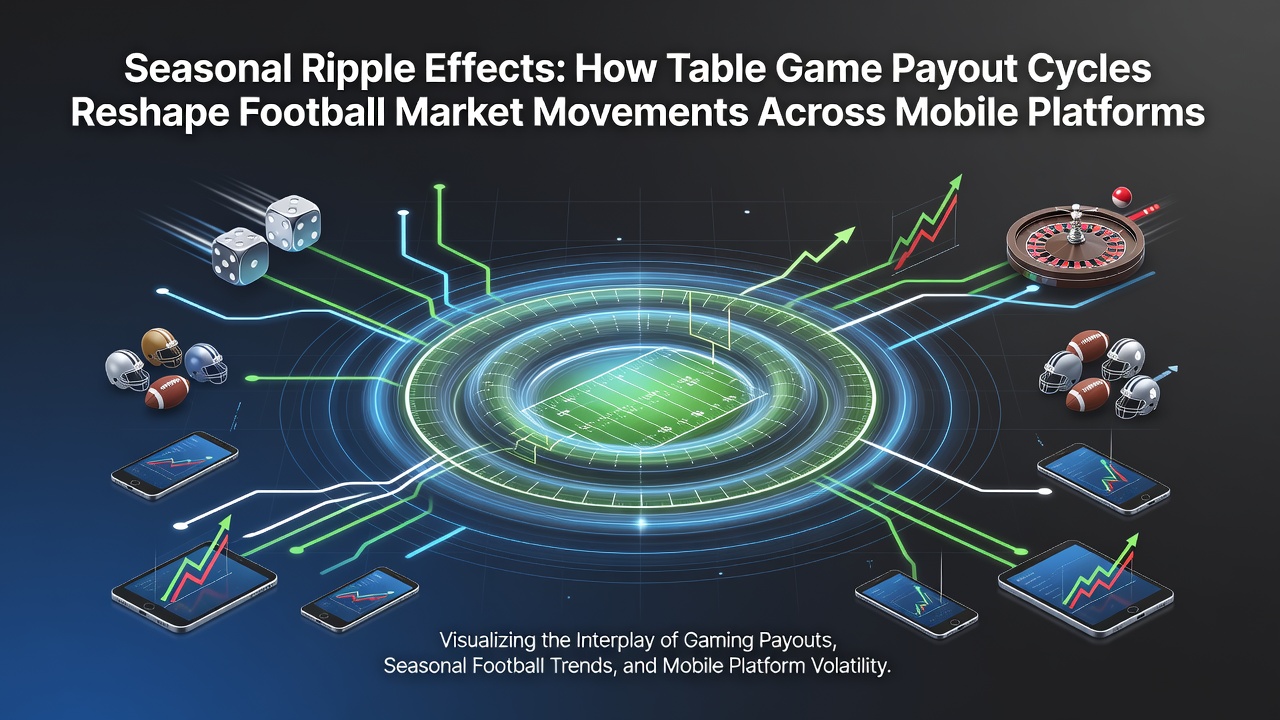
Table Game Reward Cycles and Their Reach Into Football Markets on Mobile Platforms
Table game payout cycles operate on recurring intervals that coincide with major football seasons, and mobile platforms register corresponding adjustments in user activity around betting lines. Data from integrated gaming systems shows these cycles align with periods when table game returns peak, prompting shifts in how football markets respond to real-time odds updates. Observers note that payout sequences in blackjack and roulette titles often precede noticeable changes in football wager volumes on the same applications.
Cycle Timing Across Platforms
August 2026 marks the start of several European and North American football campaigns, and mobile operators report synchronized patterns where table game reward distributions increase during the opening weeks. These distributions create liquidity effects that carry over into sports sections of the apps, where users adjust stake sizes on match outcomes. Studies from industry research groups indicate that when table payouts reach certain thresholds, football market liquidity rises within the same session windows on smartphones.
Platform analytics reveal that payout cycles lasting seven to ten days tend to overlap with midweek football fixtures, while longer monthly cycles align with weekend league rounds. Those who track unified dashboards across devices find that table game sequences influence the frequency of live betting adjustments, particularly in markets tied to goal totals and player performance metrics.
Mobile Data Patterns
Application logs demonstrate that users who complete table game sessions with above-average returns subsequently explore football odds at higher rates. This movement appears most pronounced on devices running unified wallets, where funds transfer between verticals without additional steps. Figures from portable gaming ecosystems show elevated football market activity in regions where table payout frequency climbs during August schedules.
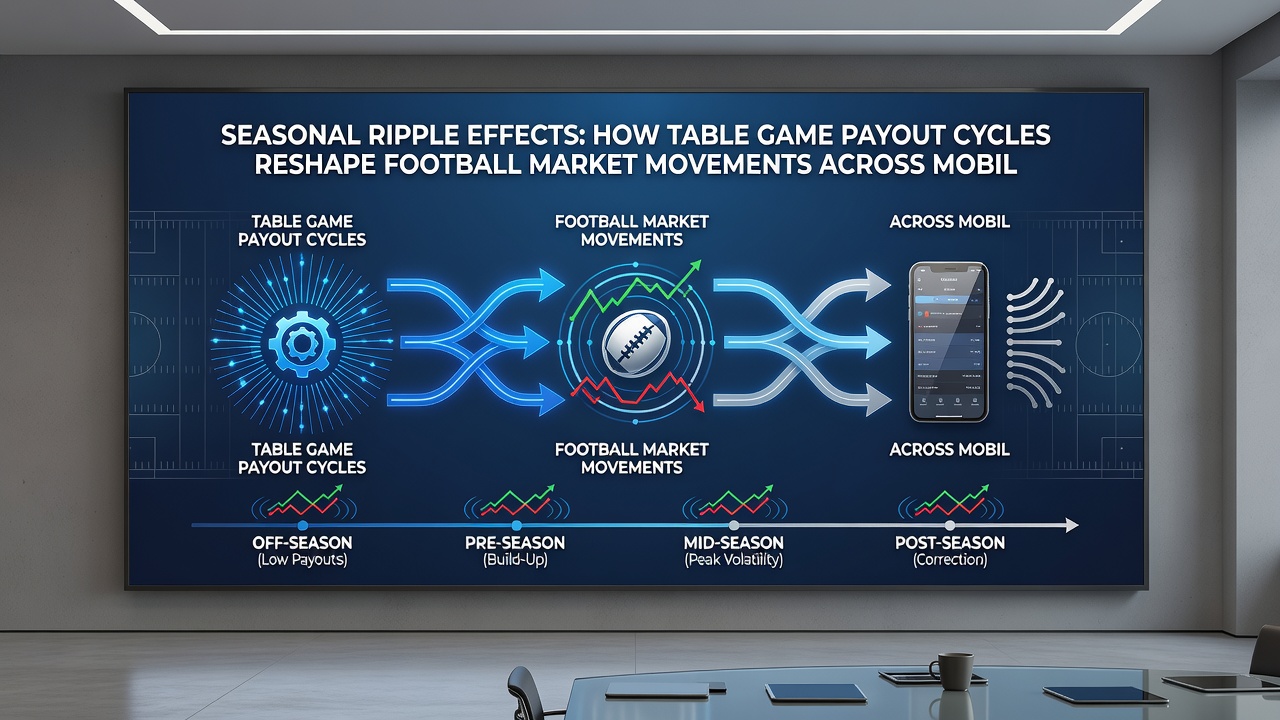
One study revealed that volatility patterns in table rewards correlate with temporary expansions in football point-spread ranges offered through the same mobile interfaces. Researchers discovered these expansions occur when payout clusters hit mobile user bases that also participate in live football sessions. The connection holds across multiple operating systems and does not require separate logins.
Regional Examples
In markets monitored by the Australian Gambling Research Centre, combined table and sports applications displayed measurable football line movements following documented table payout surges in late summer periods. Similar observations emerged from reports issued by Canadian provincial gaming authorities, where mobile session data linked table reward sequences to increased football prop bet activity. These patterns repeat without direct causation statements, yet the timing remains consistent year over year.
European operators participating in trade association data pools report parallel trends during August windows, when table game cycles intersect with early domestic league fixtures. The resulting football market movements register as wider spreads on certain player props and adjusted totals, reflecting the influx of capital from table game participants who remain active on the same platforms.
Technical Integration Factors
Unified mobile codebases allow payout data from table modules to feed directly into sports risk engines, and developers adjust football odds parameters accordingly. This integration means seasonal table cycles automatically influence the liquidity available for football wagers without manual intervention. Those who examine backend logs note that reward sequences trigger recalibrations in live football feeds within minutes of table game completions.
Platform updates released ahead of the 2026 football seasons incorporated these linkages explicitly, enabling smoother transitions between verticals. Data indicates the changes reduced friction for users moving capital, which in turn amplified the ripple effects from table payouts into football market depth.
Conclusion
Seasonal alignments between table game payout cycles and football market movements continue to appear in mobile platform metrics throughout August 2026 and beyond. The documented patterns rely on shared user bases, unified wallets, and integrated risk systems rather than isolated vertical performance. Observers continue to monitor these intersections as additional football campaigns unfold and mobile architectures evolve.